
What is the Sustainable Futures Lab?
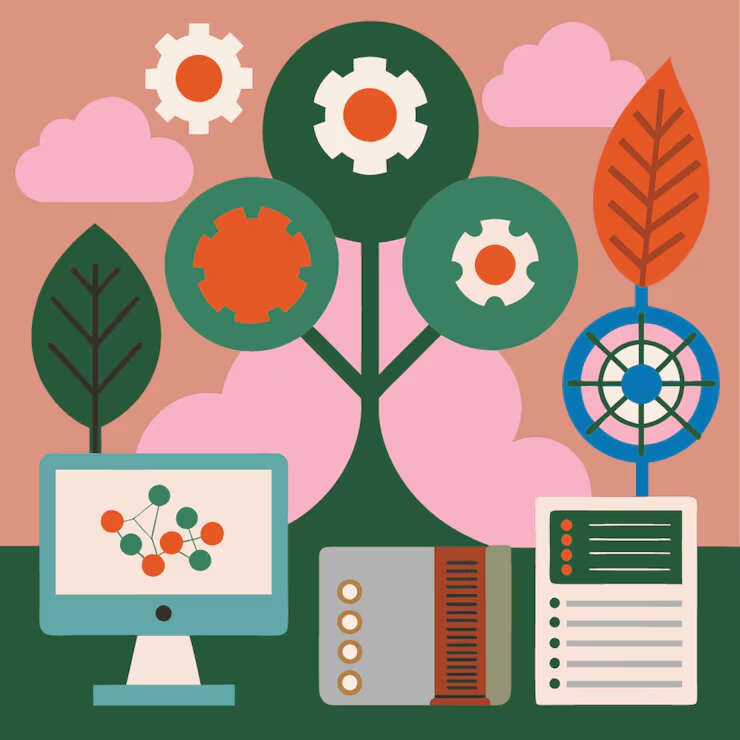
The Sustainable Futures Lab aims to contribute to a safe and just space for all of humanity, now and in the future, within planetary boundaries. We do that through a focus on the ecological, social, and cultural sustainability of digital artefacts and the practices that they shape.
Vision
Our vision is a world in which people and planet thrive while achieving their full potentials. Our mission is to investigate digital artefacts, their ecosystems and value chains, the practices that they shape, and how their design is shaped by politics and ethics.
The Lab is a meeting space for students and faculty at IFI, as well as for the wider UiO community, wishing to contribute to strengthening sustainable human modes of planetary habitation.
The Lab actively contributes to the transition to more sustainable futures, informed by systems thinking, regenerative thinking, and futures thinking.
What do we do?
Inspiring lab environment
The lab is a meeting place for discussing and implementing student projects focusing on sustainability. WIth a goal of inspiring students that want to make a difference. The lab is located at Institute of Informatics at the University of Oslo.
Workshops & Seminars
The lab is actively involved in organising events, alone and with partners, to inspire and guide sustainability-oriented research. Check our upcoming events to see future workshops and seminars or send us an email if you are interested in collaborating!
Research
The Lab enables further exploration of methodologies and methods that guide the transition to more sustainable futures. We need to extend our research approaches by including ecological, social, and cultural considerations into our research practices.
People
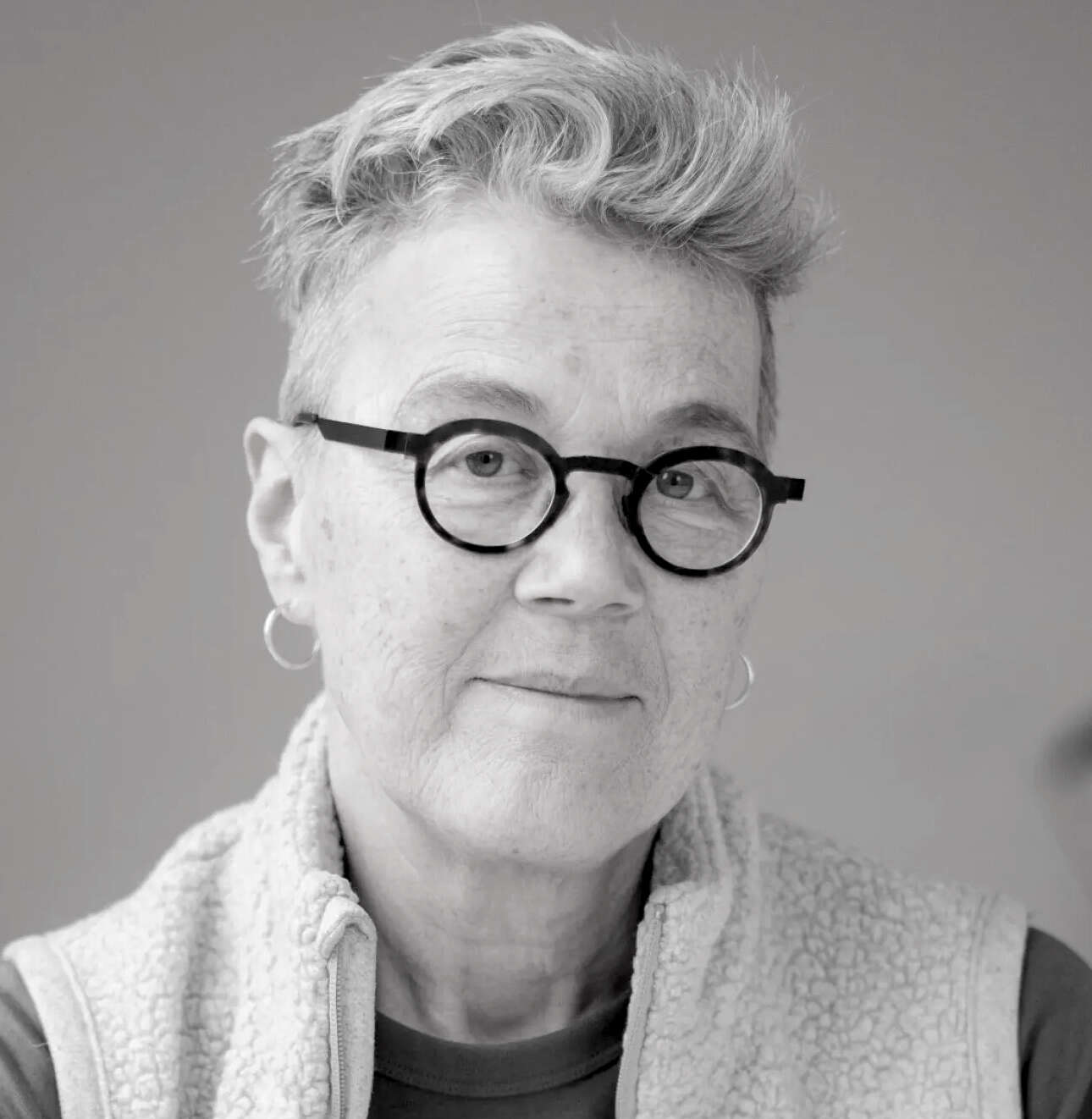
Prof. Maja van der Velden
Lab director
Informed by systems thinking and regenerative thinking, Maja investigates topics such as artificial intelligence, sustainable digitalisation, digital sovereignty, and minerals for digitalisation and the energy transition.
She leads the Mapping Resistance to the Twin Transition in Norway project, co-leads the Materials Library of Stones project, and is a work package leader in the Empower project.
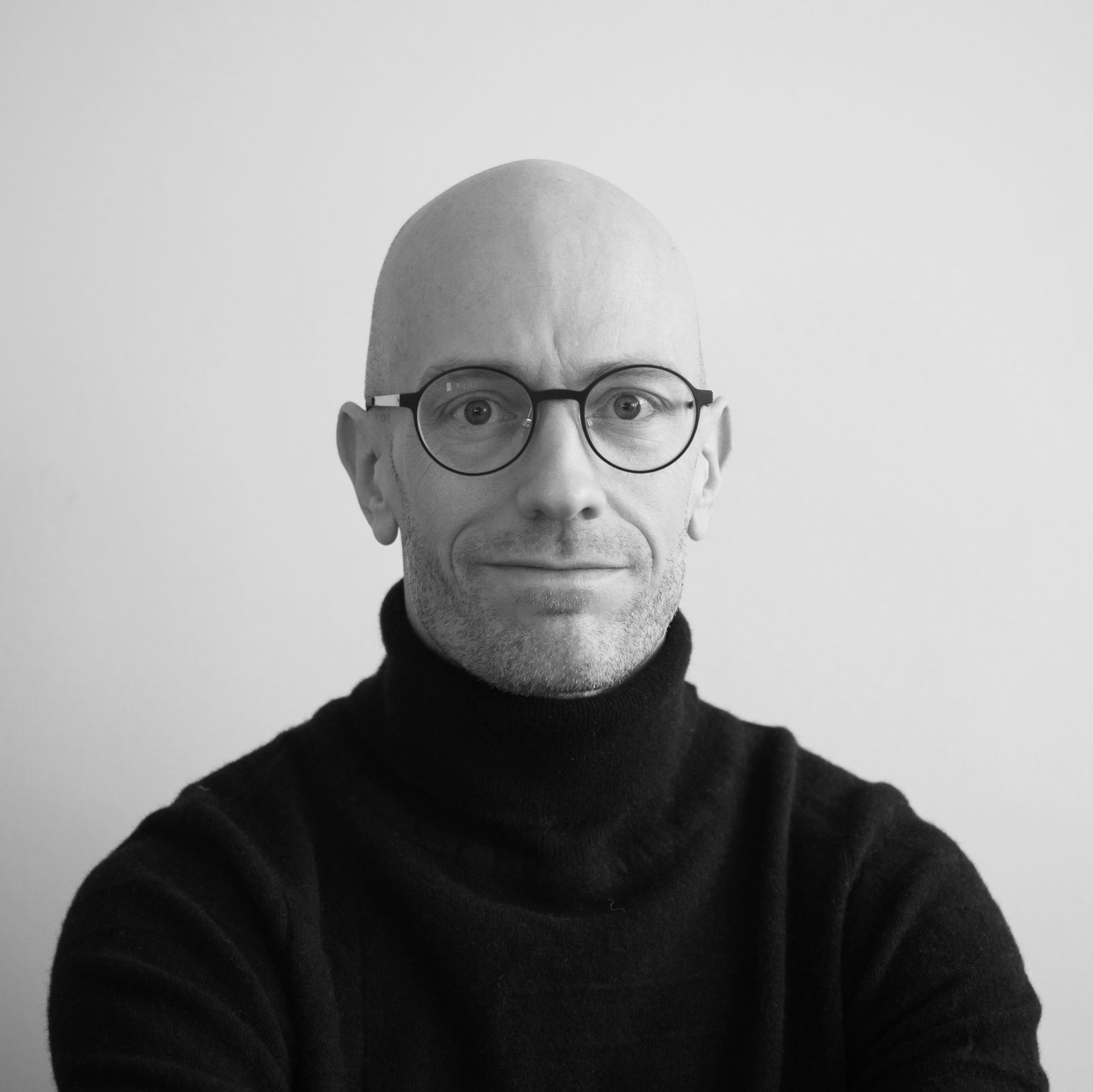
Dr. Henrik Sætra
Associate professor
Henrik's research interests span the philosophy and ethics of technology, with a particular focus on the linkages between sustainability and technology. This includes interrogation technologies relationship with all three sustainability dimensions.
His work includes analyses of technology in general, and in particular artificial intelligence and social robots. Henrik has also worked as a sustainability consultant and is both interested in and familiar with various strategy and reporting related issues of sustainability.
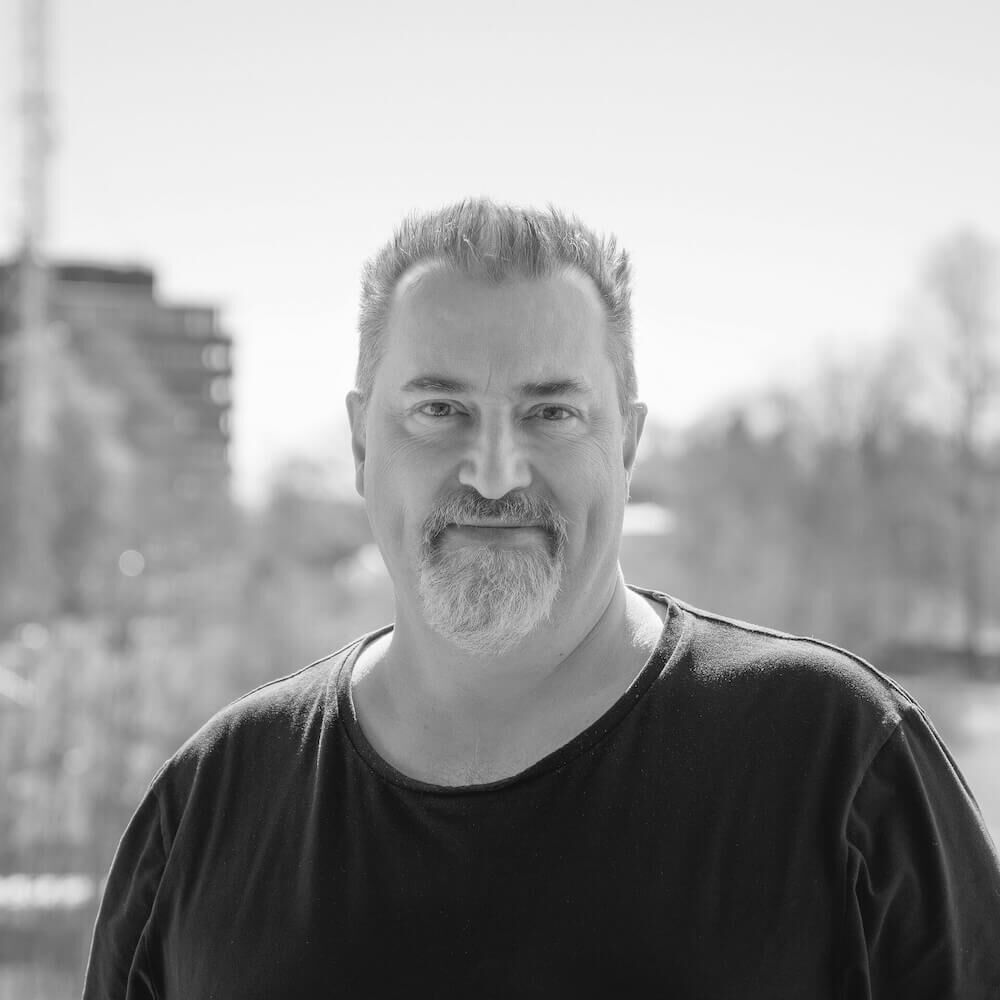
Dr. Andrea Gasparini
Senior Lecturer
Besides supervising PhD and master students, and working in the various research projects, Andrea has a position as a Senior Academic Librarian at the Library of the University of Oslo.
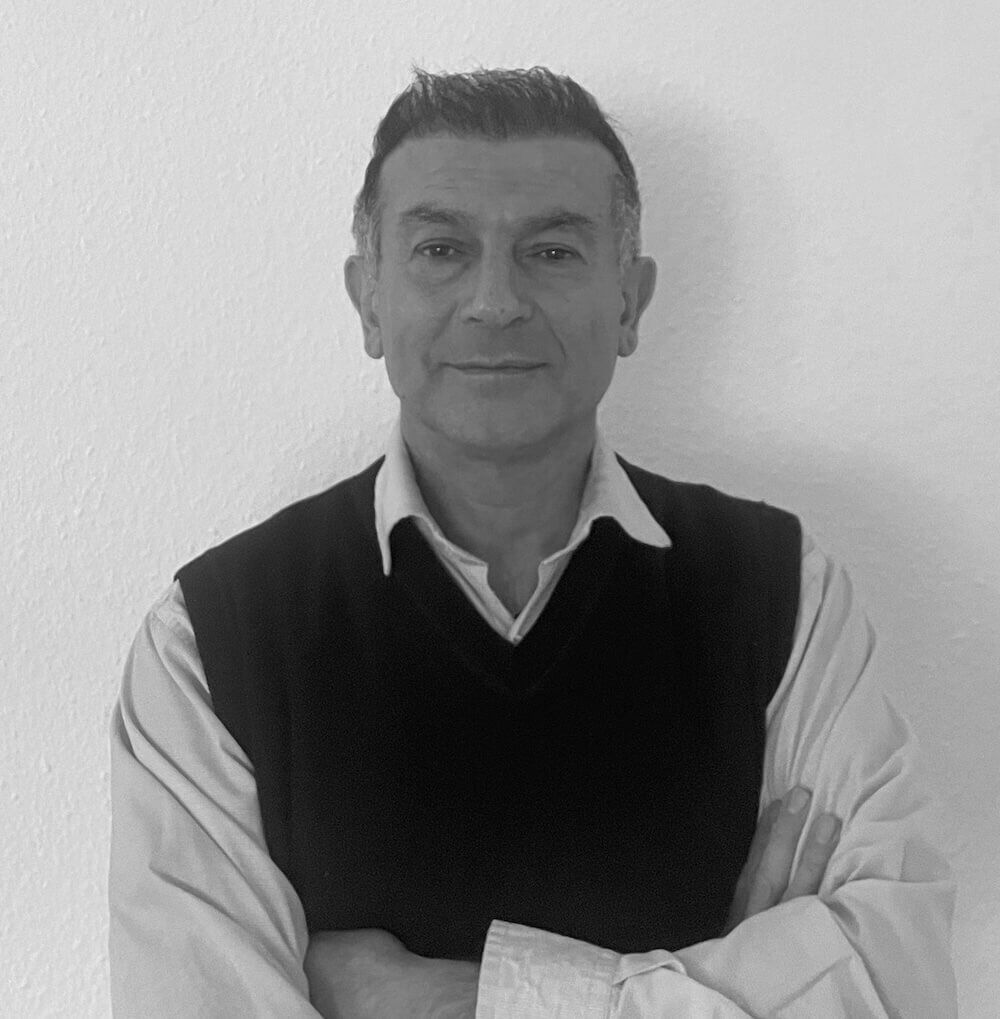
Dr. Arian Mahzouni
Postdoctoral researcher
Arian’s main research interests lie primarily in the area of energy transitions in the built environment with particular focus on mobility, infrastructure and housing sectors.
He has examined the main barriers and opportunities to diffusing best practices, policies and pathways of energy transitions in several European cities by drawing on a wide range of conceptual frameworks from social sciences.
Largely based on his own research findings, he has been designing and delivering sustainability-related courses at different institutes in Freiburg, Germany.
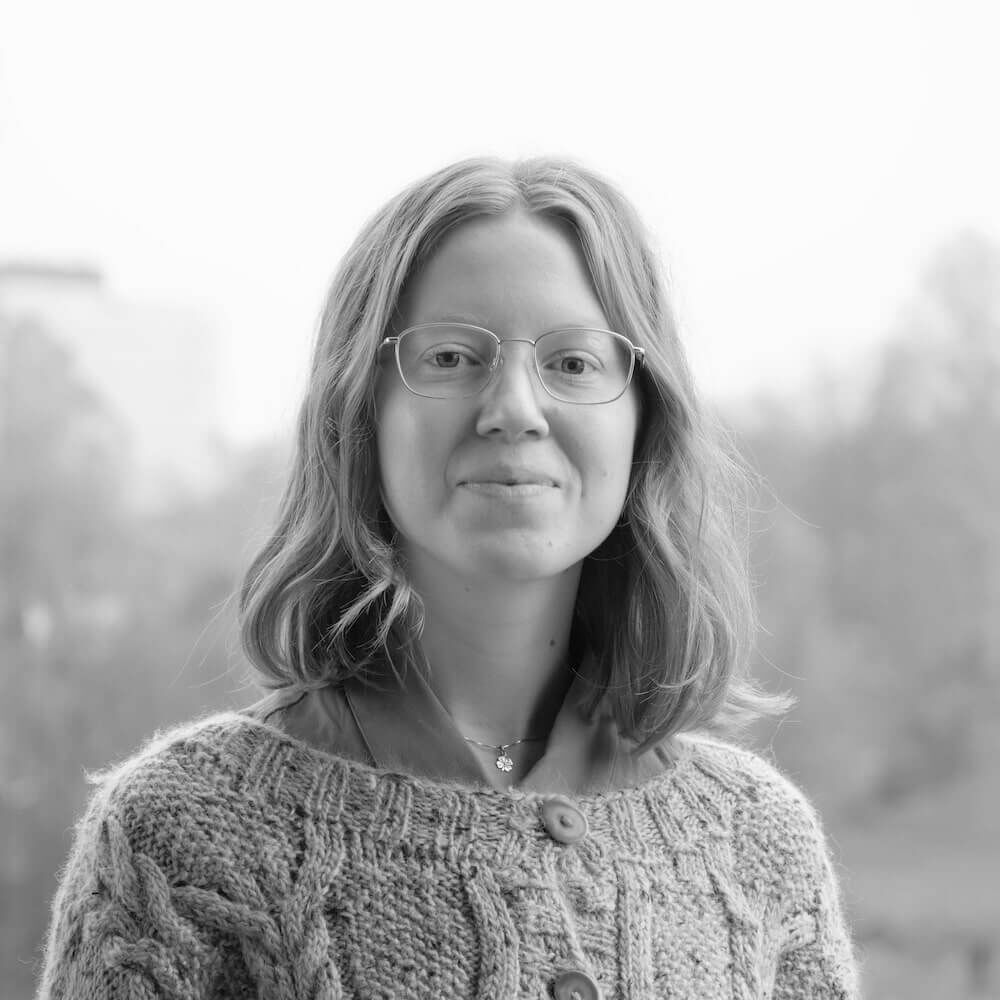
Siv Årsand
Doctoral Research Fellow
Siv is interested in how complex and wicked problems of the world today can be solved in more sustainable and regenerative ways. To explore this, she aims to apply systems thinking and an holistic approach to her research.
Her current project is designing a Materials Library for sustainable digitalisation in order to engage for awareness and action.

Enya Rogerson
Doctoral Research Fellow
Enya is a research fellow in the futures of AI. Their research interweaves critical and philosophical investigations with speculative fiction. It focuses on both the violent origins of emerging technologies, and their transformative capabilities, with the aim of understanding humanity's potential to form nonviolent worlds.
Grounded in an appreciation for the beauty of both human and nonhuman life, Rogerson's work centers the power of imagination, plurality, and empathy in creating more harmonious futures for all living beings.

Ryan Wesley Hamilton
Doctoral Research Fellow
Ryan's research focuses on the intersections between sustainability, technology, and ecological philosophy. He is particularly interested in how emerging AI systems reshape human relationships with the natural world, and how concepts of connection can inform more ethical and ecologically aligned technological futures.
His work combines environmental thought, technological mediation, and futures studies to examine how digital infrastructures and AI influence ecological understanding and planetary wellbeing. Ryan also has experience with participatory and futures-oriented methodologies, and his research aims to support the development of technologies and scenarios that foster more sustainable ways of living.
Highlighted projects
-
The Materials Library of Stones
The Materials Library of Stones project is a mobile collection of minerals found in key technologies for the so-called Twin Transition: smartphones, laptops, data centres, sensors, wind turbines, solar panels, and batteries.
-
Sustainable batteries in Mobility
EMPOWER (Sustainable Batteries in Mobility - (Em)powering a Net-zero Energy Transition) is an interdisciplinary project with a strong educational component funded by UiO: Energy. The key objective of EMPOWER is to develop an encompassing long-term strategy for sustainable electric vehicle (EV) batteries in Norway.
-
Mapping Resistance to the Twin Transition in Norway
The term Twin Transition refers to the transition to a digital, non-fossil-fuel economy. Technology plays a central role in the transition to this new economy. Wind and solar energy projects are being established all over Norway. Data centre projects are booming to process and store the data needed for the digitalisation of services and industry. Mines are (re-) opened to produce the minerals for the twin transition.


Events
Recent publications
-
Aas, Endre Ugelstad; Rettberg, Jill Walker & Sætra, Henrik Skaug (2026). Eksperter advarer: Vi kan ikke stole fullt ut på Pangram. [Journal]. Klassekampen. Full text in Research Archive Show summary
-
Watzl, Sebastian; Williams, James; Myrstad, Finn; Sjursen, Michelle & Velden, Maja van der (2026). Power and distraction. Full text in Research Archive Show summary
-
Tschopp, Marisa; Klein, Stefanie H.; Anderl, Christine; Sætra, Henrik Skaug & Utz, Sonja (2026). Immerse & Befriend: The Role of Synthetic Relationship Perception and Narrative Transportation in a Mental Health App. Cyberpsychology: Journal of Psychosocial Research on Cyberspace. 20(4). doi: 10.5817/CP2026-4-2. Full text in Research Archive
Partners
To be updated soon.